To the untrained eye, a glass is just a vessel. To a bar manager, a glass is the packaging for the highest-margin product in the building.
If you serve a $9 craft IPA in a glass that has a film of grease on it, two things happen:
- No Head: The carbonation bubbles cling to the oil and release instantly. The beer looks flat and tastes dead.
- Lacing Failure: A clean glass leaves “rings” of foam (lacing) as you drink it. A dirty glass does not.
To achieve “Beer Clean” consistently, you cannot wash glasses in the same machine that washes the cheesy nacho plates. You need a dedicated Commercial Glass Washer.
The Tech: Rotary (Carousel) vs. Door Type
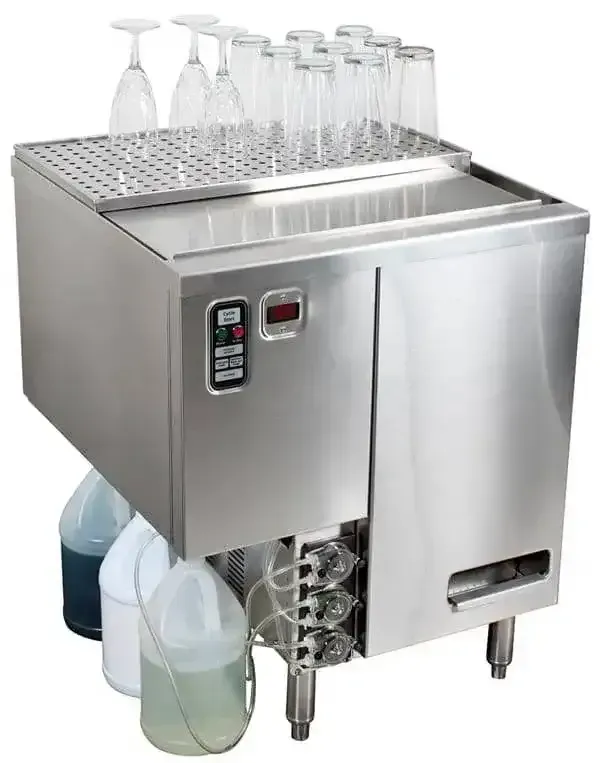
1. Rotary / Carousel Glass Washers (e.g., Glastender GW24)
This is the icon of the high-volume dive bar or nightclub.
- Mechanism: A circular rack (carousel) sits inside a cabinet. The wheel is divided into 3 sections (Load, Wash/Rinse, Unload).
- The Workflow: It rotates. You open the little sliding door, pull a clean glass out, put a dirty glass in, and close the door. It indexes one position.
- Speed: It cleans a glass in ~2 minutes, but because of the continuous loading, you always have glassware moving.
- Capacity: A unit like the Glastender GW24 can handle 41 to 49 glasses per cycle (depending on glass width).
- Tech Spec: “Fill and Dump” cycle. It uses fresh water for every cycle (no dirty tank water).
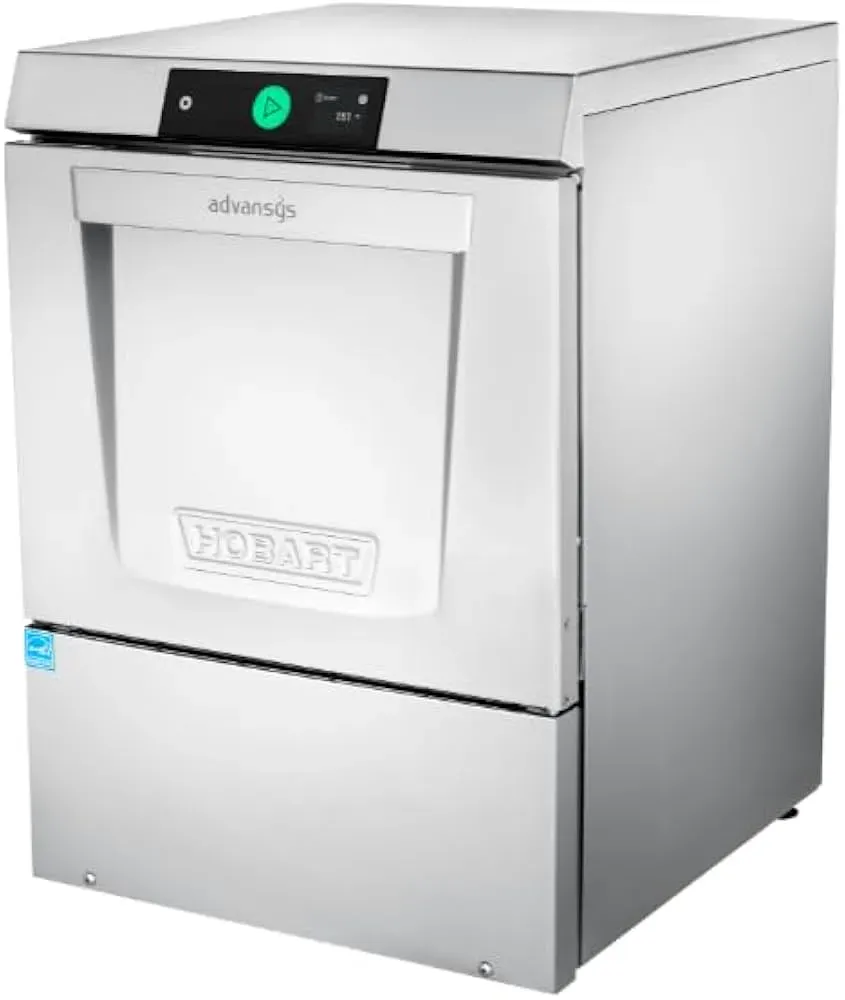
2. Door Type / Undercounter (e.g., Hobart LXGe)
Looks like a standard dishwasher but is tuned for glass.
- Mechanism: You load a full 20x20 rack of glasses, slide it in, close the door.
- Pros: Can handle tall stemware (wine glasses) that might not fit in a rotary unit. Can use High Temp (Sanitizing) which is better for wine.
- Cons: It’s “Batch” processing. You have to wait 2 minutes for the whole rack. In a busy nightclub, bartenders hate waiting.
The Temperature Debate: Why “Cool” Rinse Matters
Here is a detail often overlooked: Wet Nesting and Heat.
- High Temp Machines (180°F): Great for sanitizing, BUT… the glass comes out scorching hot. You cannot pour a cold beer into a 180°F glass. It will foam over instantly (waste) and warm up the beer. You have to wait for it to cool.
- Rotary Machines (The Cool Rinse): Models like the Glastender GW24 have a specific feature. They wash at 120°F (chemical sanitizing) but the final rinse uses fresh cool water (75°F).
- result: The glass comes out cool to the touch. You can pour a beer into it immediately. This is critical for high-volume speed.
The 2026 Standard: Integrated Reverse Osmosis (RO)
Polishing glasses by hand is a waste of labor and a breakage risk.
- The Tech: Modern units (like Winterhalter UC Series) have built-in RO filters.
- The Result: It strips 98% of minerals from the rinse water. Glasses air-dry Spot-Free without polishing.
- ROI: If you save 1 hour of labor per night (@$20/hr), the RO module pays for itself in 6 months.
Deliming: The Weekly Ritual
Glass washers are notorious for scale buildup. Because they often use chemical sanitizers (Chlorine), minerals precipitate out of the water and coat the inside of the cabinet—and your glasses—in a white haze.
White Haze = Dirty Glass.
The Deliming Process (Glastender GW24 Example):
- Empty the Unit: Remove all glasses.
- The Button: There is a specific “Delime” switch. Press it.
- The Chemical: Open the door. The machine fills with water. Pour in the deliming acid (usually phosphoric acid based). Follow the ratio strictly—usually 8-10 oz.
- The Cycle: Close the door. The machine runs a long, agitation-heavy cycle (often 5+ minutes) to dissolve the minerals. Then it runs multiple fresh water rinses to flush the acid.
- Frequency: Do this Weekly. If you see white scale on the sprayer arms, you waited too long.
The “Beer Clean” Test
How do you know if your machine is working? Perform these tests.
1. The Salt Test Sprinkle salt on the inside of a wet glass.
- Clean: The salt sticks evenly everywhere.
- Dirty: The salt produces spots or won’t stick to greasy patches (where lipstick or fat residue remains).
2. The Sheeting Test Dip the glass in water and pull it out upside down.
- Clean: The water sheets off evenly.
- Dirty: Water breaks into droplets (like rain on a waxed car). Droplets mean grease.
Comparison: Glastender GW24 vs. Manual 3-Compartment Sink
Why spend $5,000 on a machine when you have a 3-compartment sink?
- Consistancy: A human bartender gets tired. By 2 AM, the “Wash-Rinse-Sanitize” steps get rushed. The water gets dirty. The sanitizer concentration drops.
- The Machine: Delivers the exact same pressure, temp, and chemical PPM every single time.
- Labor: A machine lets the bartender serve drinks (making money) instead of scrubbing glasses (costing money).
Top 3 Commercial Glass Washer Recommendations
Clean glass = Better Beer = More Money.
1. Best Overall (The Rotary King): Glastender GW24
- Best For: High Volume Nightclubs, Dive Bars.
- Why It Wins: The “Cool Rinse” features means you can pour a beer instantly. It uses fresh water for every cycle.
- Speed: It cleans a glass in 2 minutes, and the rotary action means you never stop loading.
2. Best for Wine (The Stemware Specialist): Hobart LXGe
- Best For: Wine Bars, Upscale Dining.
- Why It Wins: An undercounter unit that handles tall stems gently. The “Soft Start” feature prevents chipping delicate crystal.
- Hygiene: High-Temp sanitizing kills everything without leaving a chemical smell.
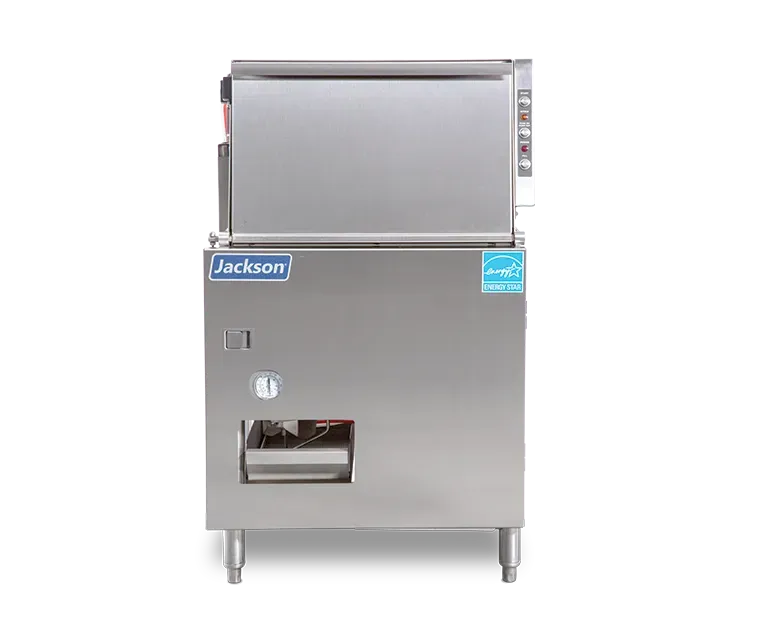
3. Best Value (The Eco Choice): Jackson Delta 5-E
- Best For: Small Bars, Cafes.
- Why It Wins: Low water consumption save you money on utilities. It is a dual-function machine that can wash plates during the day and glasses at night.
- Reliability: Simple electromechanical controls are easy to fix.
Frequently Asked Questions (FAQ)
Q: Can I wash glasses in a standard commercial dishwasher? A: No. Standard dishwashers use rinse aids or wash greasy plates that leave a film on glasses, killing the “head” (carbonation) of beer. Use a dedicated glass washer.
Q: Do I need a hood for a glass washer? A: Usually, no. Most undercounter and rotary glass washers are “Chemical Sanitizing” (Low Temp) and do not produce enough steam to require a Type II hood, but check local codes.
Q: Why do my glasses have white spots? A: White spots are caused by hard water minerals drying on the glass. You need to “Delime” your machine weekly or install a Reverse Osmosis (RO) filter.
Final Summary
If you pour Beer, buy Glastender. If you pour Wine, buy Hobart. If you are on a Budget, buy Jackson.
Final Wisdom: Never, ever wash a milk pitcher or a Bloody Mary mix container in your glass washer. The fats will coat the inside of the machine and ruin the next 50 beer glasses. Hand wash the dairy; machine wash the glass.