The Tablecloth is the first thing the customer touches. If it is crisp, white, and heavy, they expect a $50 steak. If it is thin, yellowed, or smells like mildew, they expect a greasy spoon.
But for the owner, Linens are a Recurring Nightmare. Do you sign a 5-year contract with a Laundry Service (Cintas/Aramark) and pay $500 a week forever? Or do you buy a washer/dryer and force your bussers to do laundry until 2 AM?
In this guide, I will break down the Economics of Laundry, how to calculate the perfect “Drop,” and why Spun Polyester is the only fabric you should touch.
1. Material Wars: Cotton vs. Spun Polyester
100% Cotton (The Old Standard)
- Feel: Luxurious. Soft. Absorbent.
- Maintenance: awful.
- It wrinkles if you look at it wrong. You MUST IRON every single napkin.
- It shrinks.
- It stains permanently. Red wine is a death sentence.
- Verdict: Only for Michelin Star restaurants with a full-time laundry staff.
Spun Polyester (The Industry King)
- The Tech: Synthetic fibers spun to feel like cotton.
- Stain Resistance: Excellent. It is basically plastic. Liquid beads up.
- Wrinkle Resistance: If you fold it warm out of the dryer, you don’t need to iron.
- Color Fastness: It does not fade.
- Verdict: 95% of restaurants use this. It looks 90% as good as cotton but costs 50% less to maintain.
Poly-Cotton Blend (50/50)
- Verdict: The worst of both worlds. Takes stains like cotton, feels cheap like polyester. Avoid.
2. To Rent or To Buy? (The ROI)
Scenario: A 100-seat restaurant using 500 napkins a week.
Option A: The Rental Contract (Cintas/Aramark)
- Cost: $0.15 per napkin wash + Delivery Fees + “Environmental Fees” + “Replacement Fees.”
- Weekly Bill: ~$150.
- Annual Cost: $7,800.
- Pros: You do nothing. Dirty bag goes out, clean bag comes in.
- Cons: You are trapped in a 5-year contract. If you lose napkins, you pay retail price.
Option B: In-House Laundry (Buying)
- Upfront Cost:
- 500 Spun Poly Napkins (@ $1.00 each) = $500.
- Commercial Washer/Dryer = $2,000 (Consumer machines die in 6 months).
- Total Start-up: $2,500.
- Operational Cost: Detergent + Water + Electricity (~$20/week).
- Labor: Bussers fold during slow times (sunk cost).
- Annual Cost: ~$1,000.
- Savings: $6,800 per year.
- Payback Period: 4 Months.
Chef Marco’s Advice: If you have space for a washer, DO IT YOURSELF. Rental contracts are predatory.
3. Sizing Guide: The “Drop”
The Drop is the amount of cloth that hangs off the edge of the table.
- Casual: 8-10 inch drop (Just over the lap).
- Formal: 15-inch drop (To the chair seat).
- Banquet: 30-inch drop (To the floor).
The Math: Table Width + (Drop x 2) = Cloth Size.
-
Example: A standard 30” x 30” Cafe Table.
- You want a 10” drop.
- 30 + (10 x 2) = 50.
- Buy a 52” x 52” Tablecloth.
-
Example: A 60” Round Banquet Table (Seat 8).
- You want it to hit the floor (30” height).
- 60 + (30 x 2) = 120.
- Buy a 120” Round Cloth.
4. Stain Management: Chemistry Class
You cannot wash napkins with just Tide. Kitchen grease and Lipstick are enemies.
The Protocol:
-
Enzyme Presoak: You need a “Break” cycle. Use an enzymatic cleaner (like OxiClean or Commercial Enzyme Break) to eat the proteins (food).
-
Heat: Wash HOT (140°F+). Polyester needs heat to release the oil.
-
Bleach vs. Peroxide:
- Chlorine Bleach: Great for white cotton. BAD for Polyester. It yellows the synthetic fibers over time and weakens them.
- Oxygen Bleach (Peroxide): Safe for Polyester. This is what you should use.
-
Softener: NEVER use fabric softener. It coats the fibers and makes the napkin non-absorbent. It will smear water across the guest’s face instead of wiping it.
-
The Future: Ozone Laundry:
- The Tech: Injecting O3 (Ozone) gas into the water.
- The Benefit: It sanitizes in Cold Water. This saves you thousands in water heating costs.
- The Payback: An Ozone system costs ~$2k but pays for itself in 9 months via energy savings.
Fire Safety: Spontaneous Combustion
- The Threat: Grease-soaked rags + Dryer Heat = Fire.
- The Physics: If you dry oily rags and stack them in a pile while hot, the oil oxidizes and generates heat. The pile can ignite itself 3 hours after you go home. See NFPA Fire Hazards.
- The Rule: Cool down cycle is MANDATORY. Never leave warm laundry in a cart.
5. Napkin Folds: Labor Cost
Do not choose a complex “Origami Swan” fold.
- Time: If a server takes 30 seconds to fold one napkin, and you need 200 napkins… that is 1 hour 40 minutes of labor every day.
- The Rectangular Fold: Takes 5 seconds.
- ** The Roll-Up (Silverware inside):** Takes 15 seconds. Practical. Keeps silverware clean.
Final Verdict
Top Commercial Linen Recommendations
Cotton is dead. Long live Spun Poly.
1. Best Overall (The Industry King): Milliken Signature Plus
- Best For: Fine Dining, Weddings, Banquets.
- Why It Wins: The “Soft Touch” technology makes it feel almost exactly like cotton, but it releases stains in the wash.
- Durability: Can withstand 100+ wash cycles without fading.
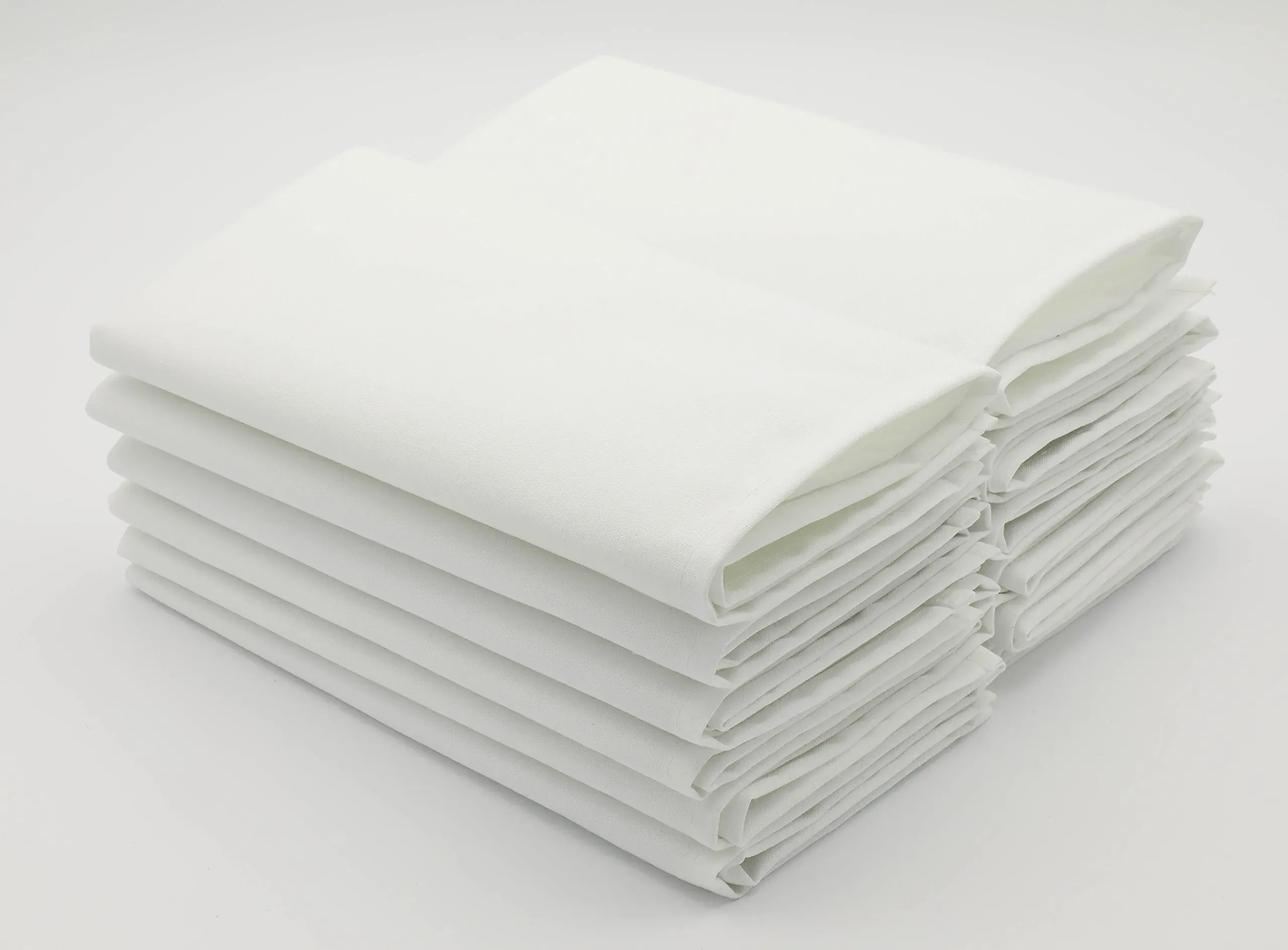
2. Best Value (The Workhorse): Lancaster Table & Seating Spun Poly
- Best For: Casual Dining, Italian Restaurants (Red Sauce).
- Why It Wins: It resists wrinkles significantly better than cotton. No ironing required if you fold it warm.
- Cost: Half the price of Milliken.
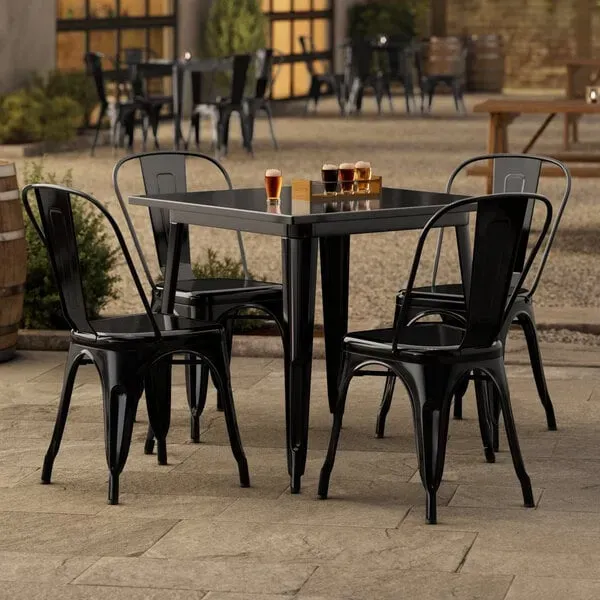
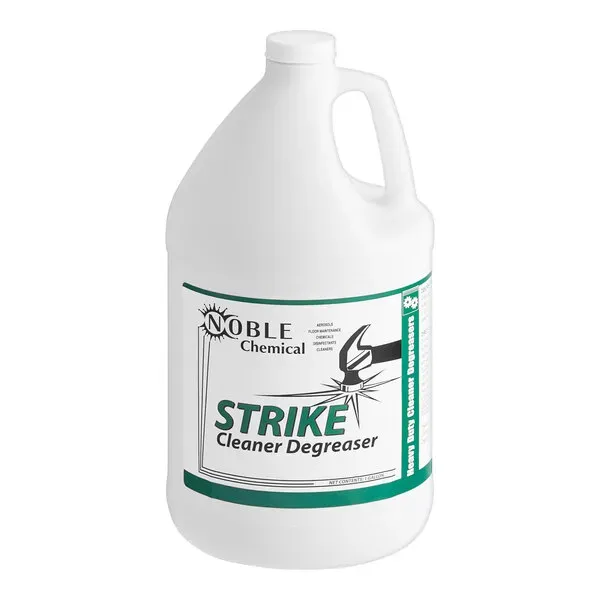
3. Best Chemical (The Stain Fighter): Noble Chemical “Release”
- Best For: Pre-treating napkins.
- Why It Wins: Typical detergent cannot break down protein (steak blood) or lipstick. This enzyme prespotter eats the organic matter before the wash.
Frequently Asked Questions (FAQ)
Q: Is it cheaper to rent or buy linens? A: Buying is almost always cheaper if you have the labor. Renting costs ~$7,800/year for a 100-seat spot. Buying a washer and disposable spun-poly napkins costs ~$1,000/year after the initial machine purchase.
Q: What is Spun Polyester? A: It is the industry standard fabric. It feels soft like cotton but resists staining, shrinking, and fading like plastic. It does not require ironing if folded warm.
Q: Why can’t I wash kitchen rags with bleach? A: You can, but greasy rags are a fire hazard. The main risk is Spontaneous Combustion in the dryer if oil residues are not fully removed (requires hot water + enzyme break).
Final Summary
If you want Luxury, buy Milliken. If you want Value, buy Lancaster. ALWAYS use Enzyme Prespotter.
Chef Marco’s Rule: “Check the trash. Bussers are lazy. If they clear a table and scoop everything into the bin, your silverware and napkins go into the dumpster. Install a Magnetic Trash Chute (catches silverware) and beat your staff if you find linen in the garbage. Each napkin is $1.00. You are throwing away dollar bills.”