There are only two types of glasses in a restaurant:
- Those that are currently broken.
- Those that are about to break.
Glass breakage costs money. But worse, broken glass in an ice bin means you have to burn the ice. Imagine it is Friday night, 8 PM. The bar is packed. A bartender breaks a pint glass over the ice well. Game Over. You have to stop service. Pour jugs of boiling water on 500 lbs of ice to melt it. Sanitize the bin. Haul buckets of new ice from the kitchen. It takes 45 minutes. You lose $1,000 in sales.
In this guide, I will explain why purchasing the Right Glass (Rim Tempered) prevents this nightmare.
The Physics of Glass: Annealed vs. Tempered
Not all glass is created equal. The manufacturing process determines how it breaks.
1. Annealed Glass (The “Time Bomb”)
- Process: The glass is formed and cooled slowly.
- Stress: It has low internal tension.
- The Break: When it breaks, it shatters into large, jagged, razor-sharp shards.
- The Risk: These shards are incredibly dangerous. They slice fingers and are invisible in an ice bin.
- Verdict: Avoid for high-volume tumblers. Acceptable for heavy beer mugs or cheap stemware.
2. Fully Tempered Glass (The “Granade”)
- Process: The whole glass is superheated and then rapidly cooled (quenched). This creates massive surface tension.
- Strength: It is 4-5x stronger than annealed glass.
- The Break: When the tension is released (by a crack), the entire glass explodes into thousands of tiny, dull cubes (like a car windshield).
- The Problem: While safer (no shards), the explosion sends glass dust everywhere. It is a nightmare to clean up.
3. Rim-Tempered / DuraTuff (The “Goldilocks” Zone)
- Process: Libbey DuraTuff is a thermal “After-Process” applied only to the upper 1/3 of the glass (the Rim).
- Why: 90% of failures happen at the rim due to tipping over or stacking.
- The Break: It breaks safely but does not explode. It has high resistance to mechanical shock.
- Verdict: This is the industry standard for tumblers (Water, Soda, Tea).
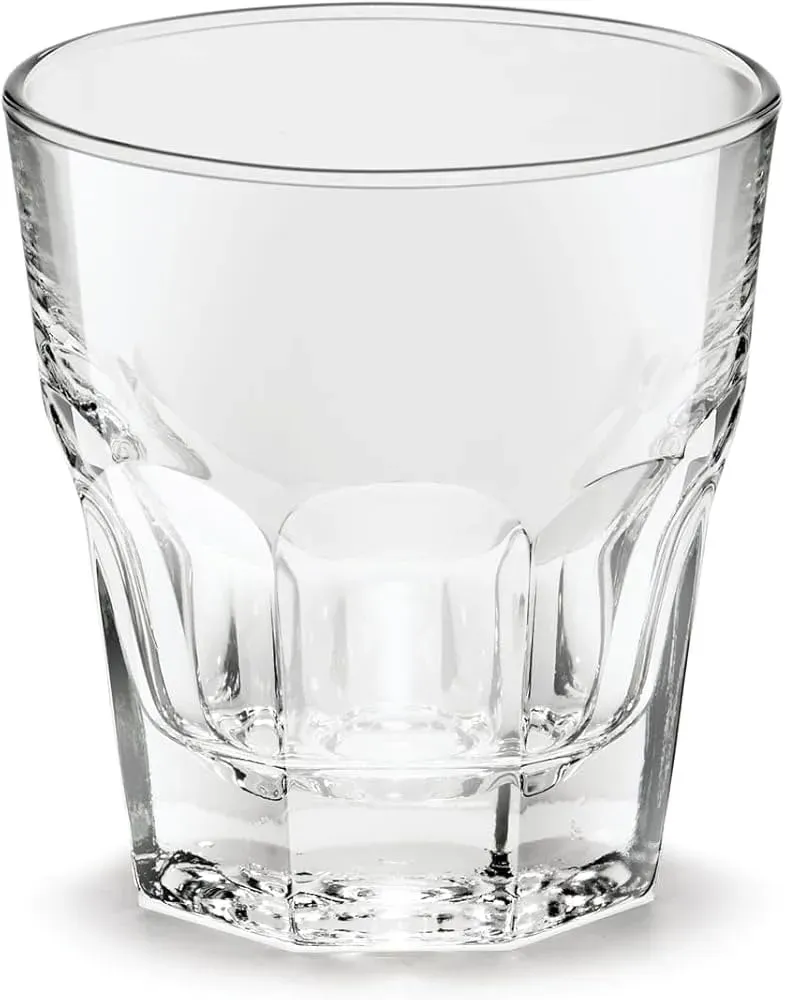
The “Gibraltar” Icon
You know this glass. It has an octagonal base and a round top. Libbey Gibraltar. It is the AK-47 of the restaurant world. Ugly, heavy, and indestructible.
-
Why is it famous? It is DuraTuff treated. You can practically hammer a nail with the base.
-
Handling: It is designed to be dropped.
-
Stackability: The geometry allows it to stack without locking (see below).
-
Brand Loyalty: If you buy Libbey, you know you will be able to buy the exact same replacement glass in 10 years.
-
Brand Loyalty: If you buy Libbey, you know you will be able to buy the exact same replacement glass in 10 years.
The Science of Beer: Nucleated Glassware
- The Problem: Beer goes flat. The foam (Head) disappears.
- The Tech: Nucleation Points. Lasers etch a pattern on the bottom of the glass inside.
- The Physics: The rough surface disturbs the beer, creating a constant stream of CO2 bubbles.
- The Result: A thick, creamy head that lasts until the last sip, and enhanced aroma. Recommended for Craft Beer Bars.
Thermal Shock: How to Kill a Glass
Staff loves to take a rack of glasses out of the 180°F dish machine and fill them immediately with ice water. CRACK.
This is Thermal Shock. Glass expands when hot and contracts when cold. If you force the inside to contract (Ice) while the outside is still expanded (Hot), the tension rips the glass apart.
- Rule: “The 20-Minute Rule.” Glasses must air dry and cool for 20 minutes before being put into service.
- HACCP Bonus: Wet glasses stack bacteria. Air drying is mandatory per the FDA Food Code.
Mechanical Shock: The Stacking Crime
Never stack glasses that are not “Stackable”.
How to tell if a glass is stackable: Look at the inside. Is there a “Step” or “Shoulder”?
- YES: The glass is stackable. Top glass sits on the shoulder.
- NO: The glass is NOT stackable. Top glass sits on the rim of the bottom glass.
- The Friction: The rims grind against each other.
- The Fracture: This creates microscopic invisible cracks.
- The Result: The glass explodes randomly next week in the dishwasher.
Glass Disease: Why are my glasses cloudy?
“Chef, my glasses look milky. Is it soap scum?” No. It is Etching (Corrosion). It is permanent damage to the glass surface caused by chemical abrasion.
The Causes:
- Too Much Detergent: You are using soft water but dosing too much soap. The excess alkaline attacks the silica in the glass.
- Too Hot: Washing above 160°F accelerates the chemical reaction.
- The Fix: You cannot fix etched glass. You have to throw it away.
- Prevention: Adjust your dish machine chemical pump. Test your water hardness.
Handling Protocol: Racks & Dumps
1. The Glass Rack
Stop using “Open Racks” (Flat pegs) for expensive glassware. Use Compartment Racks (25 or 36 compartments).
- Why: It creates a plastic wall between each glass. They cannot cling together during the wash cycle.
- Color Coding: Buy Blue extenders for Water glasses, Red for Wine.
- ROI: A compartment rack costs $40. It saves $200 in broken glasses in Month 1.
2. The Ice Scoop
NEVER SCOOP ICE WITH THE GLASS. I fire bartenders for this.
- The Risk: If the glass chips in the ice bin, you won’t see it (Glass is invisible in ice). You will serve a shard to a customer.
- The Tool: Use a polycarbonate or metal scoop. Always.
Final Verdict
Top Commercial Glassware Recommendations
There are two types of glasses: Broken, and Libbey Gibraltar.
1. Best Overall (The Workhorse): Libbey Gibraltar (DuraTuff)
- Best For: Water, Soda, Iced Tea, Rocks Drinks.
- Why It Wins: The “DuraTuff” thermal treatment makes the upper 1/3 of the glass incredibly resistant to mechanical shock.
- Design: The octagonal base is easy to hold and stack. The “Shoulder” inside prevents locking.
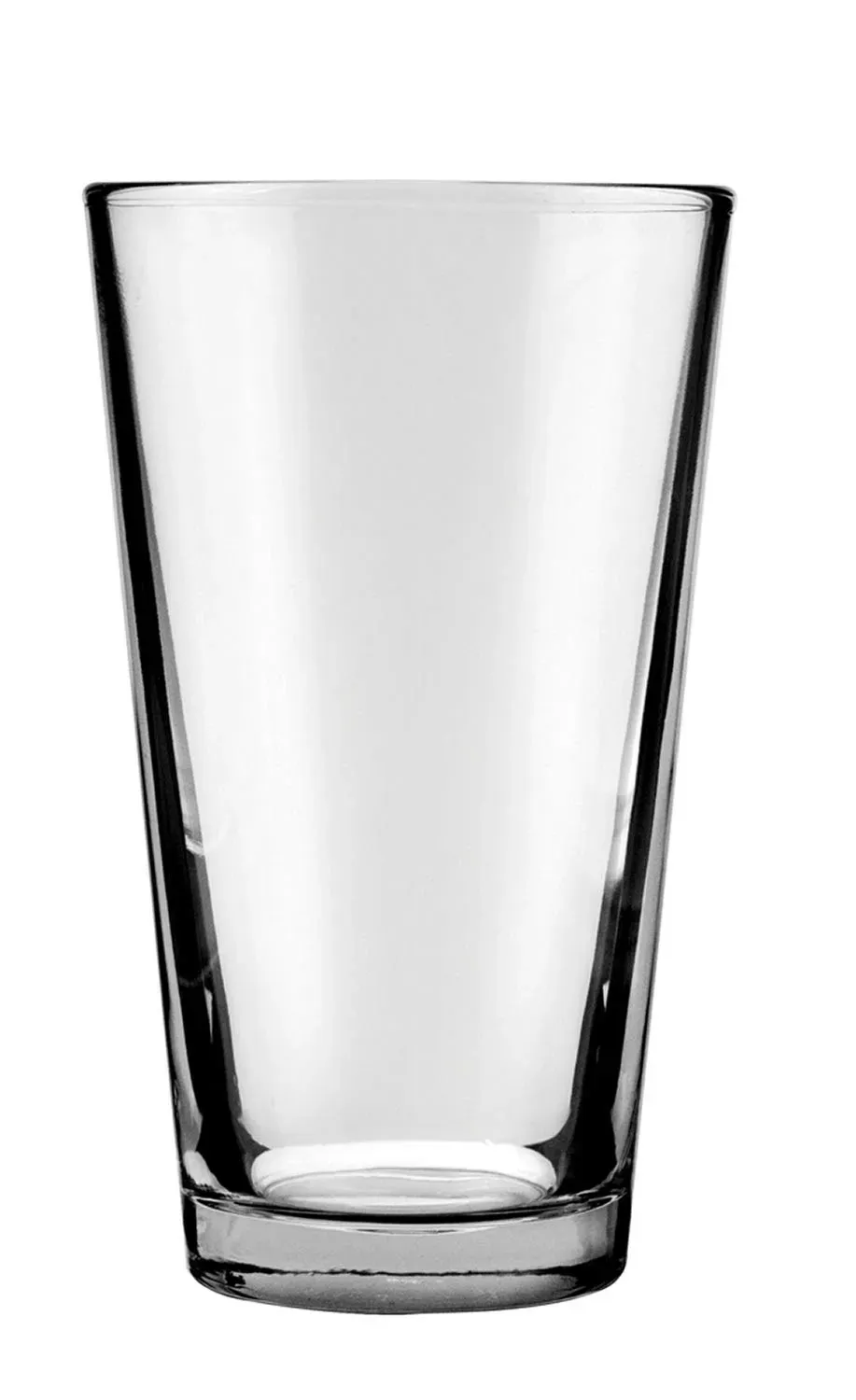
2. Best for Budget (The Value Pick): Anchor Hocking Rim-Tempered
- Best For: Pint Glasses (Mixing Glasses).
- Why It Wins: Fully tempered rim reduces chipping.
- Cost: usually 15% cheaper than Libbey. Good for high-breakage bars.
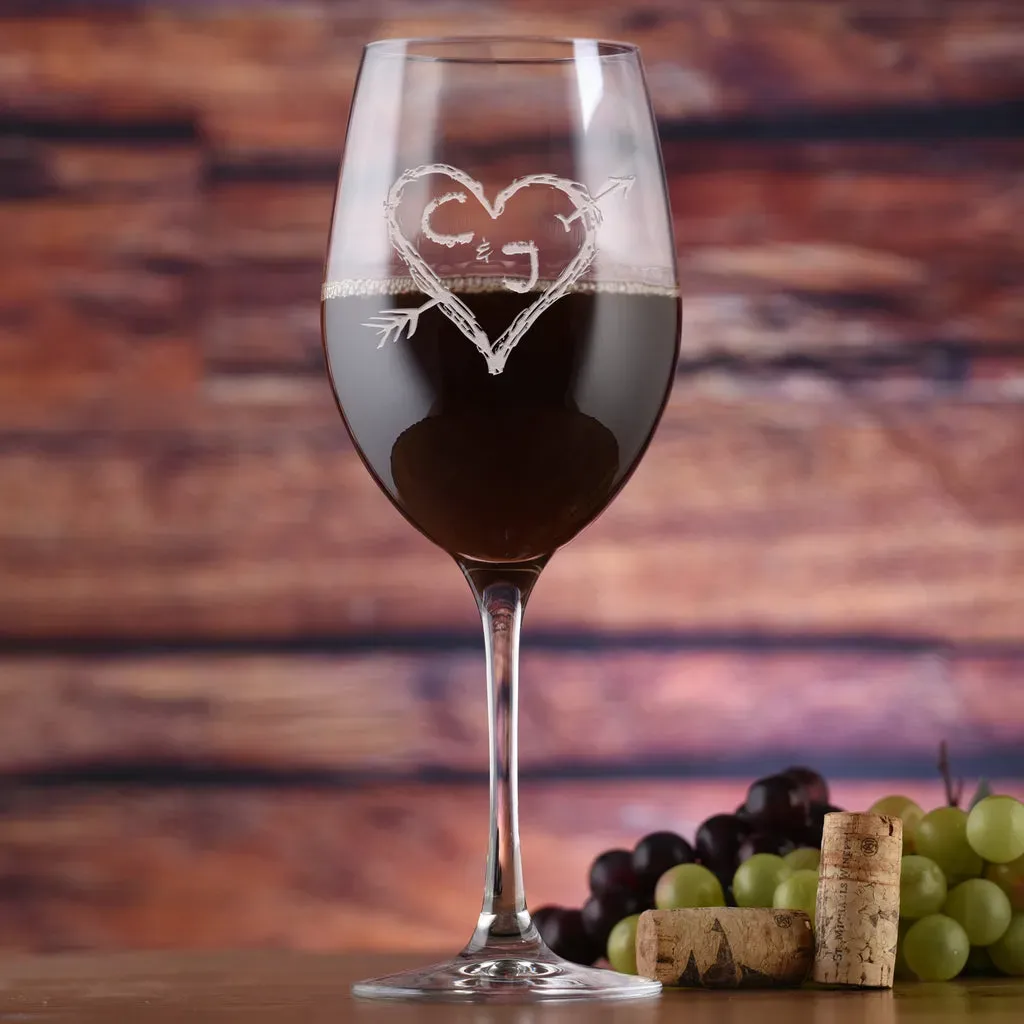
3. Best for Wine (The Elegant Strength): Stolzle Crystal
- Best For: Wine Service, Upscale Bars.
- Why It Wins: It is Lead-Free Crystal but machine-pulled for strength.
- Durability: The stem and bowl are one piece (pulled), not fused. No weak point.
Frequently Asked Questions (FAQ)
Q: Why did my glass explode in the ice bin? A: Thermal Shock. If you take a hot glass fresh from the dishwasher (180°F) and plunge it into ice (32°F), the rapid contraction rips the glass apart.
Q: What is “Rim Tempered” glass? A: It is a process (like Libbey DuraTuff) where the upper 1/3 of the glass is thermally strengthened to prevent chipping. It is safer than “Fully Tempered” glass, which tends to explode into tiny pieces.
Q: Can I stack my glasses? A: Only if they have a “Stacking Shoulder” (a step inside the glass). If you stack straight-sided glasses, the rims grind together, creating micro-fractures that lead to breakage.
Final Summary
If you sell Water/Soda, buy Libbey Gibraltar. If you sell Wine, buy Stolzle.
Chef Marco’s Rule: “I would rather drink wine out of a heavy, clean glass than a chipped crystal goblet. Check your rims every shift.”