The eternal debate: “Gas is for Chefs, Electric is for Hacks.” That used to be true. It is not true anymore. Induction has changed the game.
However, utility costs vary wildly. According to Pacific Gas & Electric (PG&E), commercial electric rates can be 3x higher than natural gas in peak hours, but electric equipment is 90% efficient compared to gas’s 40%.
This guide breaks down the Math (ROI), the Performance (BTU vs kW), and the future of the “All-Electric Kitchen.” I’ve opened four restaurants in my career—a diner in Naperville, a steakhouse in River North, a casual Italian spot, and a burger joint. In the first one (the diner), I bought an electric flat top because it was $500 cheaper than the gas model.
Two years later, I calculated that I had spent $3,800 more on electricity than I would have on gas. That’s a mistake you only make once.
If you are building a new line, you need to look past the sticker price. The real cost of a commercial range is what it pulls from the wall (or pipe) every single month.
The Raw Utility Numbers (2026 Projections)
Let’s look at the current utility landscape. Natural gas prices are rising (thanks, LNG exports), but electricity is still the heavyweight champion of draining your bank account.
| Energy Source | Avg Cost (2026) | Efficiency | Monthly Cost (Heavy Use) |
|---|---|---|---|
| Natural Gas | ~$3.79 / MMBtu | 40-45% | $250 - $400 |
| Electric (Coil) | ~$0.17 / kWh | 70-75% | $600 - $850 |
| Induction | ~$0.17 / kWh | 90%+ | $350 - $500 |
Chef’s Note: “Monthly Cost” assumes a standard 6-burner range running 10 hours a day. Your mileage may vary, but the ratio stays the same. Gas is cheaper to run. Period.
Deep Dive: The Mechanics (What Usually Breaks?)
When you buy a range, you aren’t just buying a cooking surface. You are buying a maintenance schedule.
Gas Ranges: The Thermocouple
The heart of a gas range is the Thermocouple. It’s a safety device that detects if your pilot light is on.
- How it works: It sits in the flame. The heat generates a tiny millivolt electric current that holds the gas valve open. No flame = no current = valve snaps shut.
- Lifespan: 5-10 years.
- Failure Symptoms: You light the pilot, hold the button for 60 seconds, let go, and… click. It goes out immediately.
- Fix Cost: $20 part. 10 minutes labor. I keep three spares in my office desk.
Electric Ranges: The Element & Wiring
The weak point of an electric range is the Phase Wiring.
- Single Phase vs. 3-Phase: Most heavy-duty electric ranges require 3-Phase Power. If your building is older (like many spots in Chicago), you might only have Single Phase.
- The Upgrade Trap: Installing 3-Phase power isn’t just “plugging it in.” You need a new panel, new meter, and a permit. Cost: $5,000 - $15,000.
- Failure Symptoms: Infinite control switches (the knobs) burn out often. When they die, the burner is either 100% ON or 100% OFF. There is no simmer.
The “Friday Night Rush” Test
Let’s simulate a real service to see how they perform.
Scenario: 7:00 PM Service, 40 Tickets Hanging.
1. The Sauté Pan Toss
- Gas: I lift the pan to toss pasta. The flame licks up the side, keeping the oil hot.
- Electric: I lift the pan. Contact is broken. The pan instantly starts cooling down.
- Winner: Gas.
2. The Boil Recovery
- Gas (30k BTU): I drop 3 lbs of frozen ravioli into boiling water. The water stops boiling. It takes 2 minutes to return to a boil.
- Induction (Electric): I drop the same ravioli. The water barely stops boiling. The energy transfer is instant.
- Winner: Induction Electric (but standard coil electric loses hard).
3. The Kitchen Temperature
- Gas: My line is 115°F. The ranges are giant space heaters. The AC is fighting for its life.
- Electric: The line is 95°F. The energy goes into the pot, not the air.
- Winner: Electric (The cooks are happier).
The Verdict Video
Here is a great breakdown of the visual difference between cooking on gas vs. electric in a commercial setting.
Watch: Commercial Gas vs Electric Range Comparison
The ROI Verdict Flowchart
Here is the flowchart I use when consulting for new owners:
Frequently Asked Questions (FAQ)
Q: Can I convert a natural gas range to propane (LP)? A: Yes. Most ranges come with a “Conversion Kit” (new orifices and a regulator spring). Do not do this yourself. If you mess up the pressure, you will create a fireball. Call a certified tech and follow NFPA 54 protocols.
Q: Does induction save money? A: It saves energy, but the units are fragile. If a cook slams a cast iron skillet onto the glass top, it cracks. Replacement glass is $800. I only recommend induction for catering or light-duty saute, not heavy-duty line work.
Q: Why do electric ranges cost more to repair? A: Complexity. A gas range is iron and fire. An electric range has contactors, infinite switches, and fuses. A single 3-phase contactor can cost $300. A gas valve costs $80.
Top 3 Commercial Range Recommendations (By Type)
Choose your fighter based on your building code.
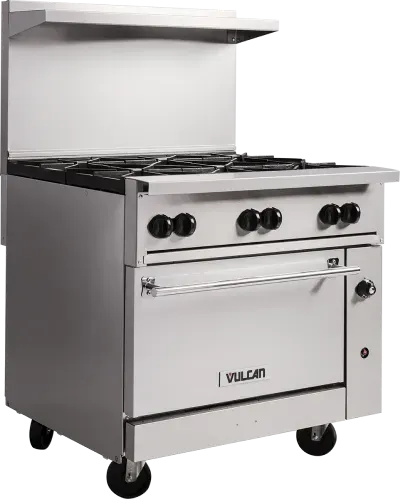
1. Best Gas Range (The Standard): Vulcan Endurance Series
- Best For: 95% of restaurants.
- Why It Wins: Features a “Flash Tube” pilot system. One pilot lights two burners, saving $300/year in wasted gas compared to standard pilots.
- Durability: The MIG-welded frame is unshakeable.
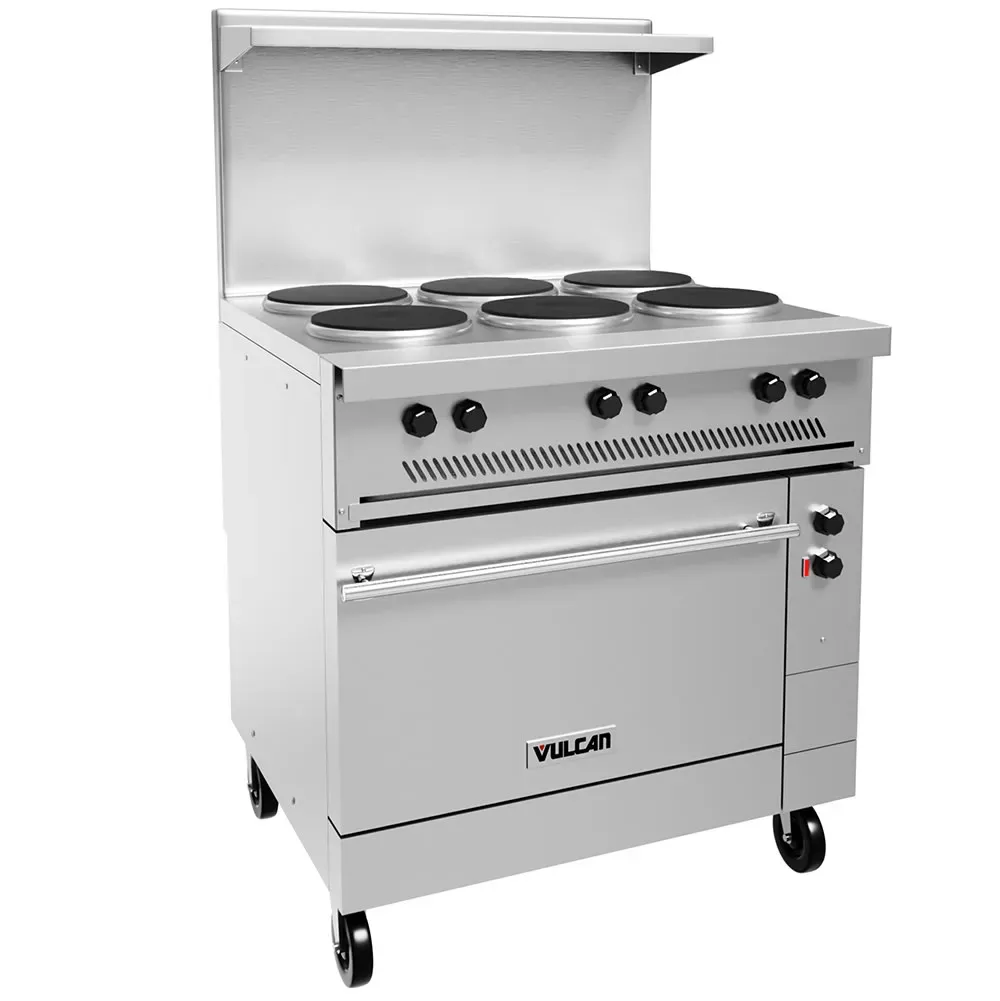
2. Best Electric Range (The Heavy Duty): Vulcan EV Series
- Best For: Historic buildings, basements without gas lines.
- Why It Wins: The “French Plate” elements are sealed solid. Spills can’t drip into the wiring like they do on coil burners.
- Power: Requires 480V or massive 3-Phase amps. Check your panel.
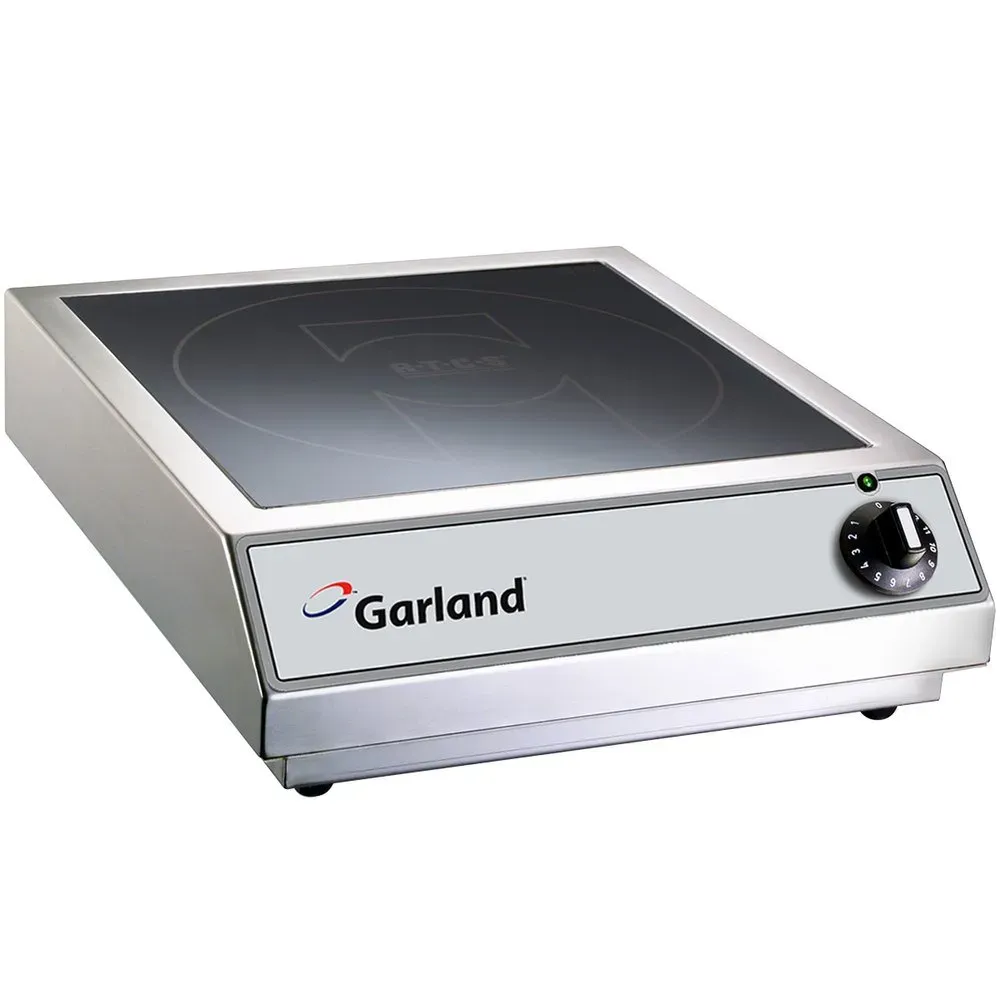
3. Best Induction (The Future): Garland Induction Series
- Best For: Catering, Cruise Ships, Buffets.
- Why It Wins: 95% efficiency. The kitchen stays 20 degrees coolor.
- Safety: The surface is cool to the touch. No burns.
Final Summary
Unless you are physically prevented from using gas (no hookup, no venting), buy gas.
The visual control is better for your line cooks, and the ROI is undeniable. A $3,000 gas range might cost you $300/month in fuel. A comparable electric range will cost you $700/month.
Over a 5-year lease, that gas range puts $24,000 extra profit in your pocket. That’s a new walk-in cooler.